
Coffeehouse Gaming Zeppelin Crash Game Popularity in UK Cafes

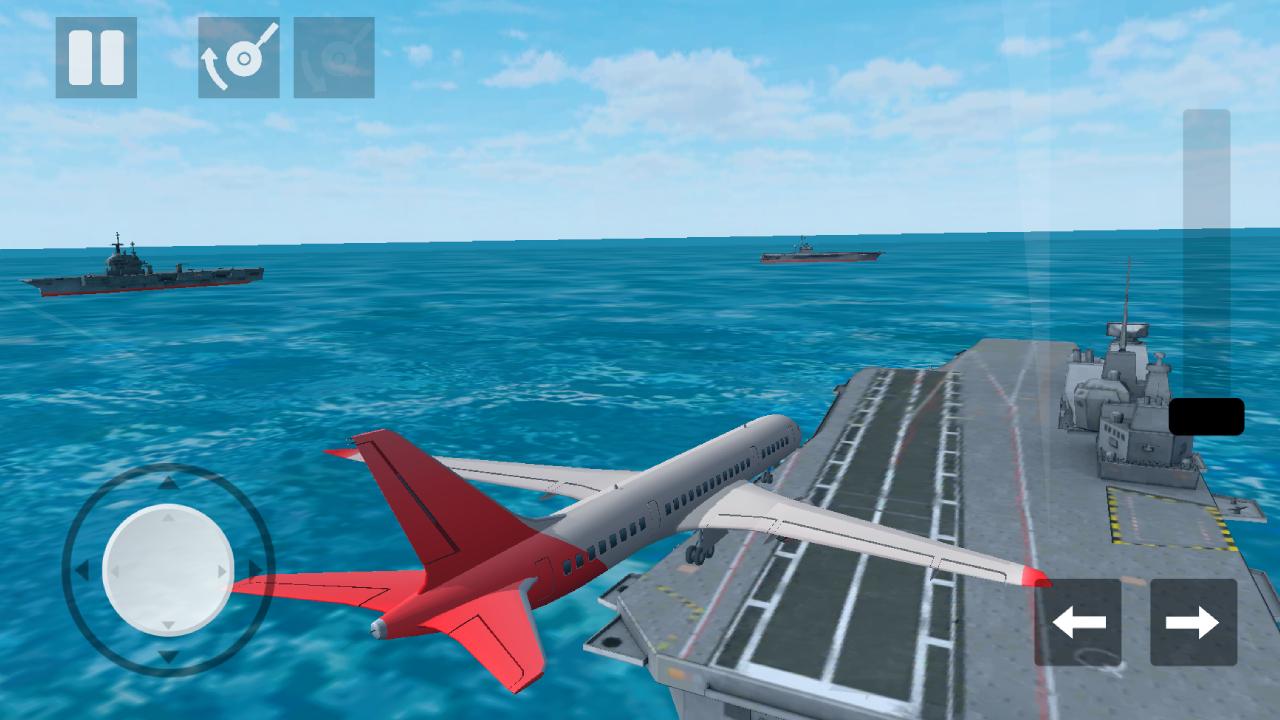
Something new is happening in British cafes. Beside the usual chatter and clatter of cups, you can now often overhear the shared groans and cheers of people huddled around a phone screen. The source is the Zeppelin Crash game. This title, which began in the specialized corners of online crypto-gaming, has moved into the comfortable world of coffee shops. It points to a change in how people socialise, blending a craving for group, low-stakes thrills with the old ritual of gathering for a coffee. It’s a new kind of shared digital play, integrated right into the recognizable fabric of UK cafe life, where friends and strangers alike follow a virtual airship climb, anticipating its sudden, inevitable crash.
Café Scene as the Perfect Ecosystem
The distinctive nature of British cafe culture makes it the ideal home for a game like Zeppelin Crash. Cafes are intended for lingering and casual chat. Unlike a loud pub, a cafe delivers a calm, managed backdrop where the game’s suspense can truly be experienced. It slots right into the pace of a visit. You request it with your drink, engage in short bursts between chatting. The game doesn’t disturb the atmosphere; it introduces a buzz of restrained excitement. For students or friends meeting up, it offers a touch of structured fun that complements the chief reason they’re there: to be together.
From a commercial angle, cafes reap ancillary benefits from this phenomenon. Games like Zeppelin Crash encourage people to linger longer, which often results in requesting another drink. More importantly, they make a place feel animated and absorbing. The pursuit is subdued and demands no further equipment or space beyond a table. It’s a mutual relationship. The cafe provides the hospitable physical spot and internet connection. The game provides a new social activity. This synergy explains why the trend has taken off particularly in these venues.
The Mindset of the “Withdraw” Moment
The compelling heart of Zeppelin Crash is a sharp mental conflict, perfectly suited to a cafe table. The “cash out” decision forces a clash between the brain’s reward pathways and its risk-avoidance systems. As the multiplier grows, so does the potential prize, sparking a dopamine-fueled desire for more. At the same time, the unknown crash point generates anxiety. In a group, this internal struggle gets played out loud. People talk through their dilemma or engage in playful boasting. Turning a private calculation into a public performance increases the entertainment for everyone.
This effect is amplified by “near-miss” moments. Watching the zeppelin crash at a huge multiplier right after you cashed out small gives you a complicated jumble of relief and regret, which instantly becomes a topic of conversation. Crashing a split-second before you meant to cash out creates a shared, laughing frustration. These emotional spikes slot perfectly into the casual timeframe of a cafe visit. They provide a shot of excitement without any lasting fallout. The game creates intense micro-moments of decision, and those moments then fuel the chat and the urge to play again.
Contrast with Traditional Pub Gaming
It’s helpful to compare the cafe-based Zeppelin Crash movement with the UK’s long history of pub gaming, like fruit machines or quiz boxes. Those are often solitary activities, physically bolted to the wall, intended to make money for the venue with every play. Zeppelin Crash represents a separate evolution. It’s social, mobile, and while it entails staking money, its use is more organic and driven by the customers themselves. The pub game is a fixture of the building. The cafe game is an activity people bring with them on their own devices. This marks a shift towards user-curated entertainment.
The mood and aesthetic are also worlds apart. Pub gaming often appears like a deliberate escape from the room. Cafe gaming with Zeppelin Crash happens in the open, woven into the social scene. It comes across like a more integrated, conscious kind of leisure. The financial stakes, while real, can feel more abstract in the cafe context, leaning more towards the thrill of the chase and the fun of the group. This contrast highlights how Zeppelin Crash has repackaged a core gaming thrill for the modern, socially-oriented cafe environment.
Tech and User-friendliness Driving Growth
This trend is fueled by straightforward, everyday technology. Almost every person in a cafe has a powerful gaming device in their possession: their mobile. Zeppelin Crash runs in a web browser. There’s nothing to set up, which makes it incredibly effortless to jump in. You’ll see people passing a connection via a QR scan, drawing an entire group into the game within a flash. The design is efficient, so it operates smoothly on most devices without killing the charge—a practical must for cafe-goers. All this allows the social aspect to claim the spotlight.
Another major driver is the extensive presence of stable, fast Wi-Fi in UK establishments. This infrastructure allows for unplanned, connected action. Importantly, everyone joining the same session sees the events occur in real time, which is crucial for that shared feeling. Culturally, a demographic used to mobile games views this combination totally normal. The tech recedes into the shadows. It enhances the human interaction, with the experience itself serving like a digital gathering point for people to come together around.
The Social Aspects of Cafe Gaming
British cafes have always been a ‘third place’ for socializing and resting. Adding a game like Zeppelin Crash adds a new ingredient into that mix. It seems like a modern twist on an old habit. Where people once filled quiet moments with a newspaper, now a shared screen showing a climbing multiplier builds instant, easy camaraderie. The rules are simple enough to explain in a sentence, which makes it a perfect social starter. It transforms a usually solitary phone activity into a group event. Strangers lean in to offer advice, or everyone groans together when the zeppelin plummets, building quick connections over a latte.
This social effect works especially well in the UK, where starting a conversation can sometimes seem like navigating a subtle code. Zeppelin Crash presents a neutral, fun focal point. The cycle of building tension and sudden release matches the natural pace of hanging out in a cafe. It doesn’t ask for hours of your time, just minutes of engaged attention. The game’s visual design is a big part of this. The rising line and cartoon airship are clear to see from any angle, inviting onlookers. A personal bet becomes a spectacle for the whole table, turning a cafe booth into a tiny arena for shared suspense.
Common Questions
What exactly is the Zeppelin Crash game?
Zeppelin Crash is an online crash-style betting game. Participants place a stake and see a multiplier increase from 1.00x, shown as a zeppelin rising. You have to manually cash out prior to the zeppelin randomly crashes to earn your stake times the current number. If it crashes first, you forfeit your stake. Its simple, tense mechanic is easy to pick up and performs great for groups.
What made it popular specifically in UK cafes?
It’s well-liked because it matches cafe culture like a glove. The rounds are fast, instant play game zeppelin crash, great for the gaps in coffee chat. It doesn’t need downloading and operates on any smartphone. The whole table can grasp what’s happening immediately. It’s a superb icebreaker and shared focus, bringing a shot of digital excitement to the classic cafe hangout.
Is participating in Zeppelin Crash in cafes regarded as gambling?
Yes. Since you stake real money on a random outcome, it is a form of gambling. The casual cafe setting might render it lighter, but the risk is still there. Players should be of legal age, impose strict limits on what they’re willing to lose, and only use disposable income. Consider it as paid entertainment, not a way to make money.
Are UK cafes advertise or organize these gaming sessions?
Usually, no. The trend is organic and powered by customers. Cafes provide the basics—tables, seats, and Wi-Fi—while people use their own phones and data. The cafe could profit from people lingering longer, but the experience isn’t a official service provided by the business.
What is the best strategy for winning at Zeppelin Crash?
No strategy guarantees a win, because the crash point is random. Some people play conservatively, withdrawing at low multipliers. Others pursue big payouts. It hinges on handling your own risk and emotions. When gaming socially, it assists to set a cash-out target before you start and follow it, to avoid losing control in the moment.
Are you able to play Zeppelin Crash as a party in a cafe?
Yes, and that’s a major part of its social appeal. Groups often participate at the same time on their own phones, dividing the emotional highs and lows but executing their own cash-out calls. This creates instant comparison and celebration. Sometimes groups will pool money for a joint collective bet, turning the game into a collaborative and often very funny team effort.
Are there concerns about this trend in public spaces?
There exist valid concerns. Having gambling-like behaviour feel at home in a casual, everyday setting like a cafe could reduce people’s perception of the risks, notably for younger adults. It requires increased personal responsibility. The key is to maintain the activity a fun social tool, and not let it become a pathway to more serious gambling problems.
Comprehending the Zeppelin Crash Gameplay Pattern
To appreciate why it belongs so well in a cafe, you have to understand how the game functions. A player makes a stake and watches a multiplier increase from 1.00x, shown as a zeppelin taking off. The player must to hit ‘cash out’ to claim their winnings, which equal the stake times the current number. The trick is the zeppelin can crash at any random second, resetting the multiplier back to zero. This sets up a direct tug-of-war between greed and caution, a tension that’s just as entertaining to watch as it is to feel. The whole game reduces to one nerve-jangling decision: when to press the button.
This refined simplicity is its hidden weapon in a social setting. No one requires to learn complex controls or endure a tutorial. Everyone at the table gets the idea after observing one round. Rounds are fast, so the game doesn’t dominate the conversation for long. Players can easily switch between drinking their drink and putting a bet on the next ascent. The game’s built-in volatility creates a mix of personal choice and public display. When someone collects at a good time, the whole table celebrates. When someone crashes out, there’s a wave of collective understanding. The real game becomes the shared emotional journey.
Future Trajectory and Cultural Consequences
The combination of casual crash gaming and cafe culture in the UK seems like more than a short-lived craze. It hints at a wider move in how we engage digitally in social spaces. As mobile tech becomes even more effortless, we can expect more games built around these shared, low-commitment settings in mind. The success of Zeppelin Crash reveals a clear demand for digital experiences that are fun to watch and easy for a group to join. This could drive developers to create titles specifically for the “third space” market of cafes, bars, and other hangouts.
The cultural implication is a quiet redefinition of leisure time when we’re out with others. The divide between digital and analogue socialising grows fuzzier. We’re approaching a norm where looking at your phone isn’t seen as rude if what’s on the screen is a shared experience. Zeppelin Crash is an early illustration of this. It proves a well-designed game mechanic can act as a social catalyst. Its presence makes this blended form of interaction feel normal, which could open the door for other shared mobile experiences that simply make spending time with friends more fun.